

The Power of Growing on Purpose
Updated: Sep 4
Food Is Medicine. Community Is the Cure.

Food is more than fuel. It is medicine, prevention, culture, and community.
For generations, food was never separate from health because families understood something we are rediscovering today: what we eat directly impacts how we live. From diabetes and heart disease to inflammation and chronic illness, many of the health challenges facing our communities are connected to nutrition, access, and the foods available to us.
Before prescriptions, there were gardens.
Before convenience, there were kitchens.
Before processed food became normal, growing, preparing, and sharing food was simply part of life.
Growing our own food is not a new idea. It is rooted in our history. It reflects resilience, self-sufficiency, and communities taking care of one another. From victory gardens to backyard gardens to neighborhood farms, food has always been connected to survival, healing, and empowerment.
That is why conversations around food as medicine matter.
Because healthier communities do not happen by accident. They happen when people have access to nutritious food, education about healthy choices, safe neighborhoods, green spaces, and opportunities to invest in themselves and one another.
Communities change on purpose.

That means supporting the people already doing the work, investing in neighborhoods that have too often been overlooked, and creating policies that help connect people to healthy food, economic opportunity, and community resources.
Today, conversations about urban agriculture, food access, and community wellness are gaining momentum because more people are recognizing what many neighborhoods have known all along: healthy communities are built from the ground up. Community transformation does not happen by chance. It happens when residents, community leaders, and policymakers choose to invest in solutions that create healthier outcomes for generations to come.
This is what makes the work of Sonia so important.
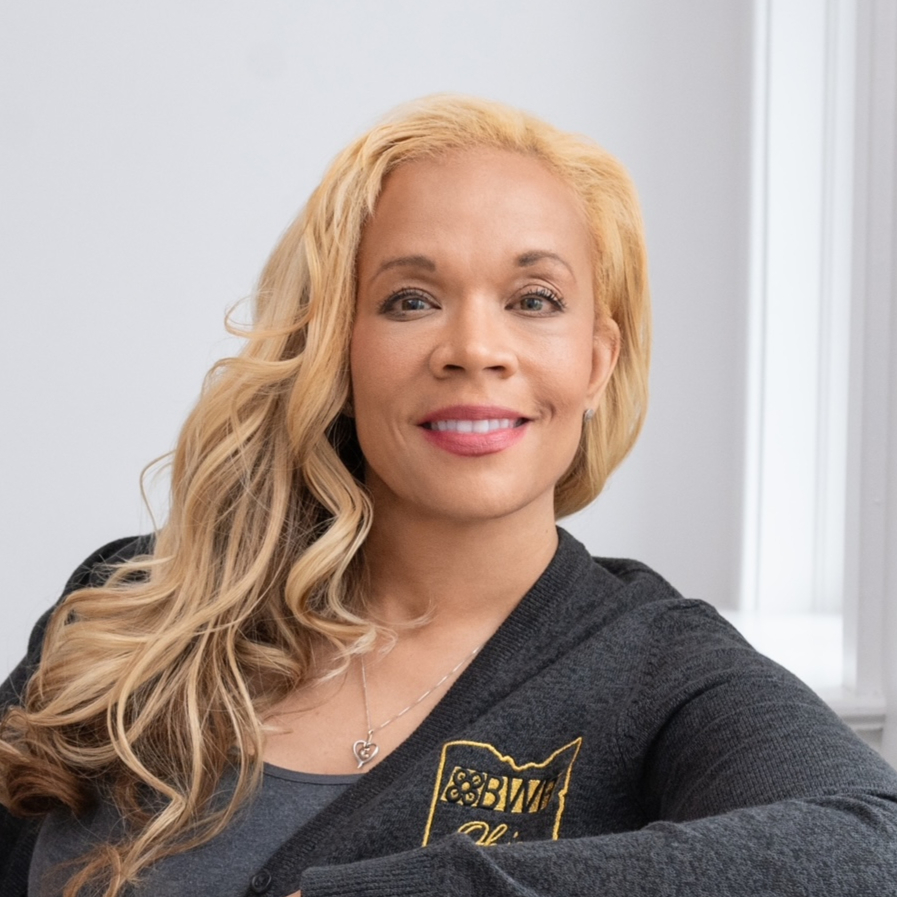
Sonia Flunder-McNair is the founder of SONIA Organics Products LLC, a USDA-registered urban farming business, and creator of SOrganics, a line of organic health and wellness products rooted in her passion for natural wellness and product formulation. Through SONIA Organics Products and its nonprofit initiative, Urban Wholistics, Sonia has transformed vacant land into thriving community green spaces while creating opportunities for residents to learn, grow, harvest, and invest in themselves and their neighborhoods. With a strong focus on youth development, Urban Wholistics cultivates the next generation of growers, leaders, and community stewards, ensuring that her vision takes root in future generations and continues to grow organically, expanding its impact for generations to come.
What began as Sonia’s personal journey toward healing after her own life-threatening health crisis grew into a broader mission of community healing. Her experience inspired a commitment to helping others reconnect with the power of food, wellness, and self-sufficiency while creating pathways to knowledge, resources, and opportunities that support healthier lives, stronger families, and more resilient communities.
Her work is rooted in a simple but powerful belief: healthier communities begin when people have access to healthy food, green spaces, knowledge, and opportunity.
At its core, Sonia’s work is about healing — healing with dirt, healing the streets, and healing generations.
Healing with Dirt
In Sonia’s work, healing begins with dirt.
Long before grocery stores and convenience, African American communities survived, built wealth, and sustained families through the land. From gardens cultivated during segregation to generations of families who grew food out of necessity, resilience, and self-determination, growing food has always been more than agriculture — it has been survival, culture, community, and empowerment.
The people who came before us understood what modern research is increasingly confirming: healthy communities begin with healthy food, healthy environments, and people willing to invest in one another. They understood that food could nourish more than our bodies. It could strengthen families, create opportunity, and help communities thrive.
Today, that tradition continues by teaching generations how to plant, grow, and create spaces where people reconnect with the land, with one another, and with knowledge that has always belonged to our communities.
Healing the Streets
Through Sonia’s work, healing reaches the streets.
What some see as vacant lots, others see as possibility.
By transforming empty spaces into green spaces and building urban farming opportunities, neighborhoods become healthier, safer, and more connected. Research continues to show that green spaces can improve mental health, strengthen neighborhood pride, encourage community investment, and contribute to safer communities.
Because when communities invest in spaces, people begin investing in each other.
Healing Generations
With Sonia’s work, healing reaches generations.
Because learning to grow food is only part of the story.
This work teaches people not only how to plant, but how to harvest, create, market, and sell — creating pathways toward entrepreneurship, ownership, and personal investment.
This work is bigger than gardens.
It teaches people that what they create with their hands can create opportunities for their future.
Growing Communities on Purpose
As a State Representative, I often hear conversations about healthcare costs, economic development, public safety, and quality of life. Too often, those conversations happen in separate silos. But the work being done by Sonia Flunder McNair reminds us that these issues are connected.
Healthy food, healthy environments, economic opportunity, and strong neighborhoods all contribute to healthier outcomes for people and communities.
At a time when communities across Ohio are grappling with rising healthcare costs, chronic disease, food insecurity, and neighborhood disinvestment, local solutions matter. The work happening in community gardens and urban farms may not solve every challenge, but it demonstrates how health, opportunity, and community can grow together. It reminds us that some of the most meaningful change often begins at the neighborhood level, where people come together to invest in one another and create a stronger future.
What Sonia Flunder McNair is building in Toledo is bigger than food.
It is a model for what is possible when communities invest in people, neighborhoods, and one another. She is cultivating healthier bodies, stronger neighborhoods, greener communities, and opportunities that extend far beyond a single harvest season. What begins in a garden can grow into something much larger: healthier families, stronger neighborhoods, stronger communities, and a stronger future.
In a world searching for solutions to chronic disease, neighborhood disinvestment, food insecurity, and economic inequality, her work reminds us that some of the most powerful answers are often the simplest.
A seed. A garden. A lesson shared.
A young person discovering what is possible.
Food is medicine.
Food is community.
Food is dignity.
And sometimes the work of healing a community starts by putting our hands back in the soil.
One seed. One garden. One neighbor. One generation at a time.
Because the power of growing on purpose is about more than what we harvest.
It is about what we become.


Comments