

Howie Evans: What Words Didn’t Say!
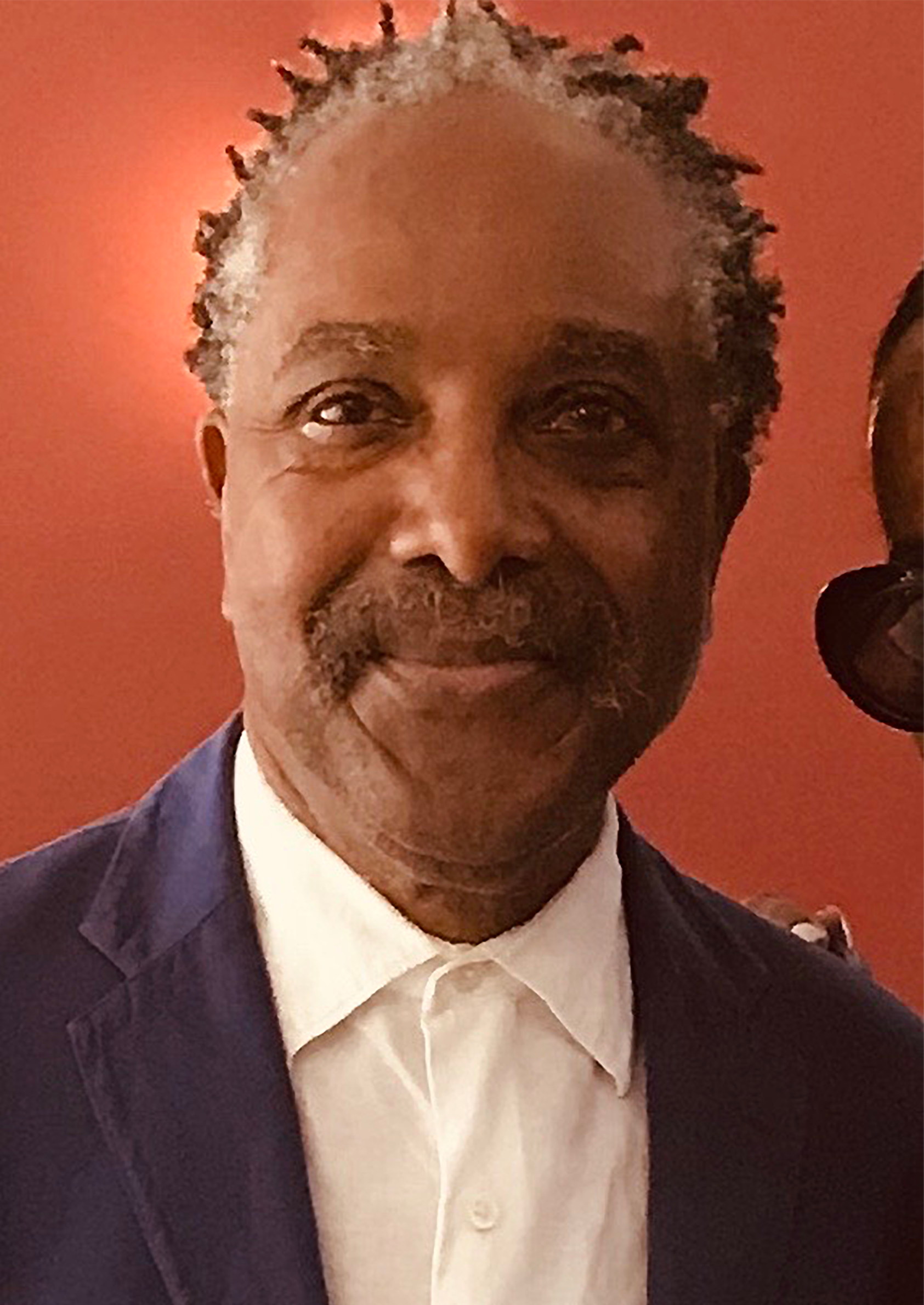

Evans transition on May 1, 2025 marked the end of an era in sports journalism. Howie Evans, wrote during a time when sports arena locker rooms had a distinct odor where after games, he heard the roar of victory and the riddled loud angry shouts of defeat. He resided in a bygone era when players trusted reporters to keep their word--when the phrase “off the record” was a silent bond that kept clandestine transgressions out of their stories.
In Harlem, Evans played basketball with the then notorious playboy and rising legendary all-star Wilt Chamberlain, who at the time was constantly receiving bad press. Howie was so annoyed, he wrote his own story on Chamberlin and mailed it to the Amsterdam News, one of the oldest black publications in America. The paper published his story with an editor’s follow-up phone call inviting him to write a weekly article. Subsequently, he became a columnist for the Amsterdam News and later the Senior Sports Editor for the paper, where he remained for five decades, making his mark as one of the country’s premiere sports writers.
The native New Yorker refused to linger in the sunlight as a celebrated sports writer instead as a community leader, coach and mentor he accumulated a variety of firsts including being the first African-American to own in partnership, a major professional sports team, the Garden State Colonials of the Eastern Professional Basketball league. He was also the first African American to produce and host a network sports radio program on the Mutual Broadcasting System and the first sportscaster to produce and host a sports call-in radio talk show (WRVR FM, NYC). Evans was the first African American sports reporter to travel with pro teams when he covered the New York Knicks, New York Jets, Mets, and Yankees.
Evans mid-range voice separated him from other on-air radio sports commentaries. He was low key, mellow, like a hip jazz radio personality. He wasn’t one to shout or overstate the obvious but he always made each play exciting and fun listening. His writing had a lyrical rhythm to it, his vivid description of basketball plays, dribbling the basketball, the lay ups, Oscar Robertson’s smooth passes behind his back flowed like lightening riffs pouring out Charlie Parker’s alto sax, Evan’s words bounced off pages like raging drums from Max Roach’s “We Insist: Freedom Now.” Or Joe “Willie” Namath throwing touchdowns taking his team to the goal posts like Miles Davis’ outrageous fusion on “Right Off,” Jack Johnson (Columbia Records 1971).
The black power and civil rights movements provided a comradery between Evans, Kareem Abdul-Jabbar and Jim Brown. A tenuous period that called for the writer to be monitored by federal agencies for his civil rights and social justice activism. His friendship with tennis champion Arthur Ashe was grounded in their commitment to end apartheid in South Africa.
“Howie always felt with certainty playground legend Joe Hammond, whom he spoke of like a son, was one of the greatest to ever live in a classic “what could have been” tale,” stated Jaime C. Harris AmNews Sports Editor, in 2025. This writer happened to see Hammond play during the historic Rucker Tournaments in Harlem and there is no doubt he was amazing. Unfortunately, the B-Ball legend wasn’t blessed to have a community center leader like Vincent Tibbs, who helped steer Howie away from gang involvement.
Early on, he embraced a career that spanned over three decades of experience as an educator, journalist, communications specialist, high school, college basketball coach and as a coach in the Holcombe Rucker Summer Pro Rucker League opposite fellow sportswriter Peter Vecsey. He was close friends with the great Holcombe Rucker, who originally started his basketball tournament in the Bronx (where he resided), living in the Bronx as a teen, I played on his team for a brief period. Rucker was an inspirational force in Howie’s life, as a friend and professional associate.
Evans has been inducted into numerous sports Halls of Fame, including the inaugural Bronx Basketball Hall of Fame in 2022. He has served on sports youth-serving organization boards in New York, Philadelphia, Washington, D.C. and Los Angeles. He was the Chairman of the Board of Directors for the City-Wide Athletic Association and was a charter member of the New York City Basketball Hall of Fame.
The Howie Evans Memorial Lifetime Contributor Award was just established last year to honor the legacy of Evans. The award celebrates the achievements of individuals who have made a lasting impact on the world of basketball. The inaugural recipient was Peter Vecesy (February 2026), the founder of the NYC Basketball Hall of Fame along with Evans and others.
In a country that has turned towards a totalitarian government, Evans stood tall and refused to bend. He restructured the terrain of sports and journalism by extending the wider American social and racial landscape. Long before diversity, equity and inclusion (DEI) became a functional phrase in the American patios, Howie was already advocating on the frontline.
“He is a sports and cultural icon. To me, he was a sage, mentor, coach, role model, father figure, and tough, nurturing uncle,” stated Harris AmNews Sports Editor. Evans was a trailblazer for generations of his players, students, writers, and interns and his family. “He celebrated us more than his own massive attainments,” said his nephew Jaime C. Harris, who is at the helm of his uncle’s longtime position as the senior sports editor at the Amsterdam News, what a legacy!

Comments