

ART TATUM A FORCE IN HARLEM & BEYOND
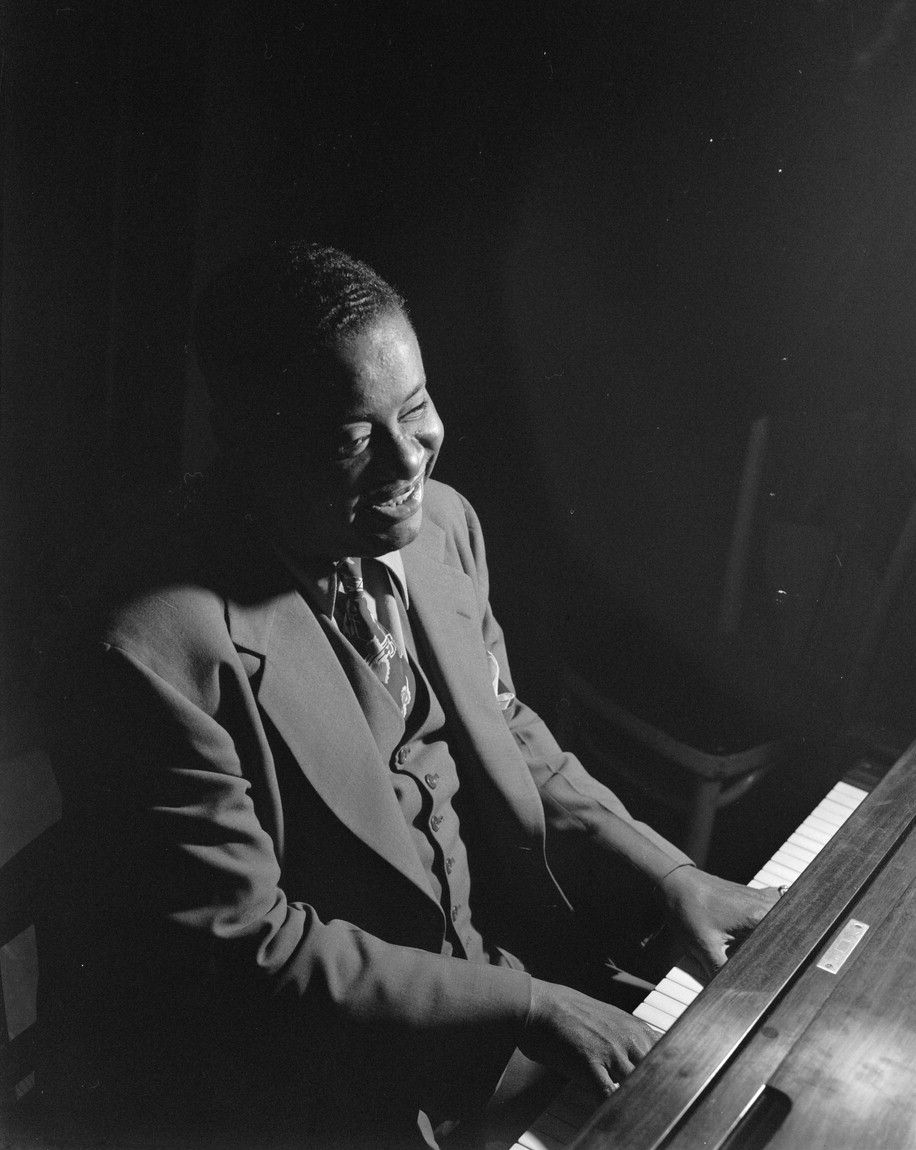
Art Tatum’s mesmerizing dexterity guided his fingers over the pearly keys faster than shooting stars across the sky. His unique style made him one of the most innovative pianists in history. Tatum’s riveting velocity, daring improvisational spirit, and insane flying rhythms mesmerized anyone in his presence including some of his music contemporaries. His technical brilliance restructured the voicings of jazz piano.
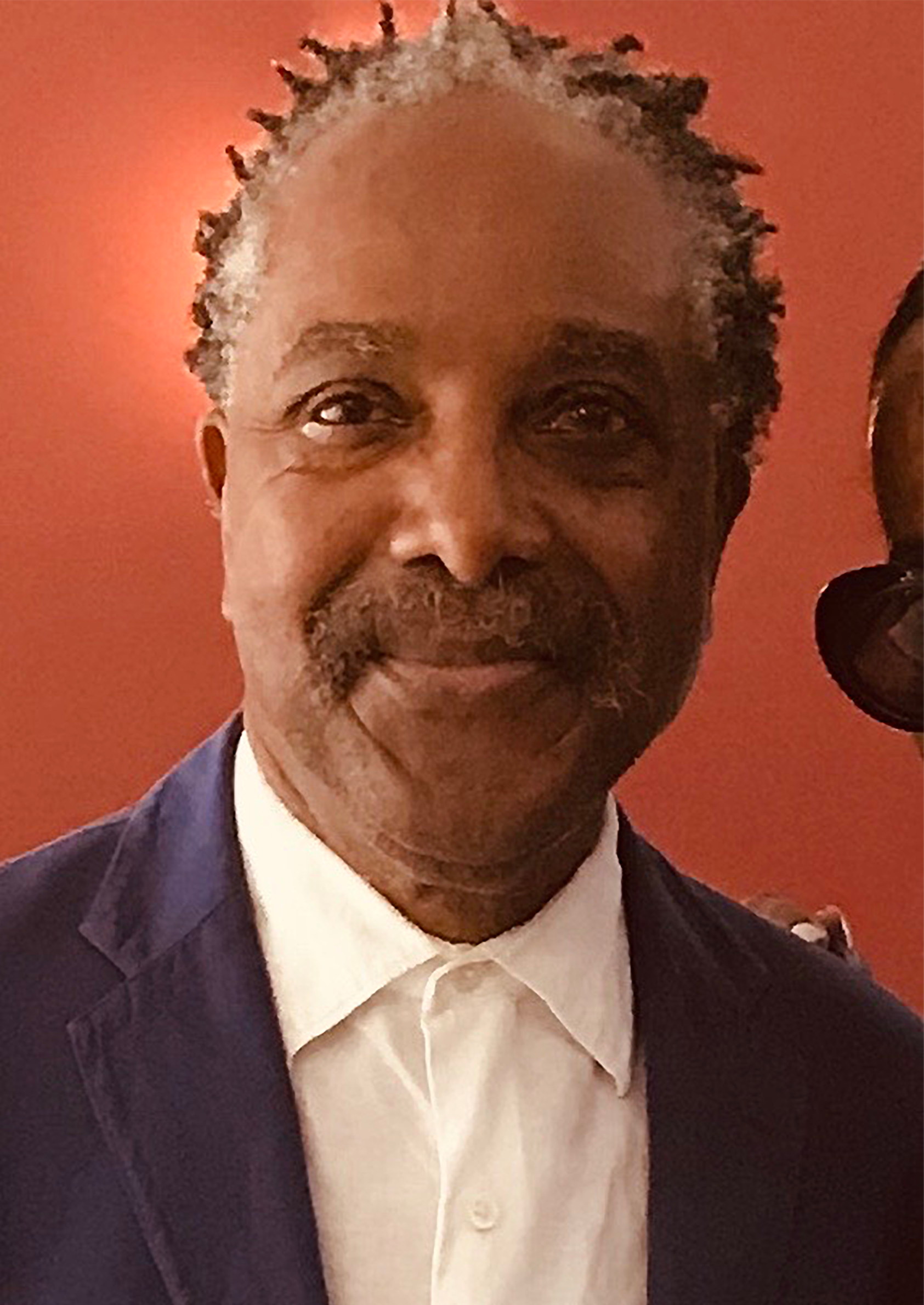
“Art scares me to death, he was a once in a life time player,” said pianist, composer, and (NEA) Jazz Master Kenny Barron. “Oscar Peterson is one of the few that touched his genius. I just listen in awe.”
SSSShhhh! Upon visiting noted Toledo institutions such as The Peristyle Theater, Toledo Museum of Art, and Toledo Lucas County Public Library, one is bound to feel swirling notes prancing about their ear-ways. Don’t be afraid, it’s only the whisper of Tatum’s spirited soul jazzin’ it up. Basically self-taught, he did take music classes at Jefferson School and the Toledo School of Music where he was taught in the formal classical tradition which comes through on his recordings.
With a vibrant jazz scene in Toledo, Tatum’s reputation as a virtuoso pianist blossomed during his teen years. He was getting paid gigs at local clubs, and often performed on local radio station WSPD. Duke Ellington, Joe Turner, and Fletcher Henderson passed through Toledo, touring the Chittlin’ Circuit where they observed the early virtuosity this young pianist.
Eager to pursue his career at age 21, he made his way to NYC, in the midst of the Great Migration and the Harlem Renaissance. In Harlem, then acknowledged as “the Black intellectual capital of the world,” he quickly found the celebrated stride piano masters known as “The Big Three” James P. Johnson, Fats Waller, and Willie “The Lion” Smith. Tatum became part of their creative crew playing and carousing at rent parties, speakeasys, high-brow elite gatherings, downtown concerts and any place a piano could be found. The young pianist drew inspiration from these older contemporaries, who mentored him. However, Tatum, dramatically expounded on their foundation of stride in terms of technique and theory.
His reharmonization of pop tunes became a standard practice among modern jazz musicians (horn players and pianists). In rhythmically unpredictable spurts, Tatum often generated lines with notes cascading across each other while weaving in and out of tempo. It is claimed that his perfect pitch allowed him to identify the dominant note in a flushing toilet.
When the world renowned Russian classical pianist Vladimir Horowitz heard Tatum’s rendition of “Tea For Two,” on a record and was so intrigued by his playing that he had the music transcribed and spent a couple of months learning to play it. However, when he played it for Tatum, Art set down and played the tune again differently.
When Horowitz asked how long it took him to compose the new version, Tatum told him he had just improvised it, an exercise known as “Variations on a theme” in the European Classical tradition. Horowitz was so amazed he would later declare Tatum: “The greatest pianist in any style.”

Few jazz pianists made the grade playing any of Tatum’s noted runs or embellishment---but pianists who exhibited his influence included, Bud Powell, Lennie Tristano, [especially] Oscar Peterson, Thelonious Monk, and Marcus Roberts (of today’ generation). His piano style captivated horn players like the instigator of bebop Charlie Parker, who loved his lightening intensity, Dizzy Gillespie, and Coleman Hawkins. The iconic pianist and composer Randy Weston was often playing Tatum, when I visited him, at his home in Brooklyn, NY, he said, “Art was one of the most gifted ancestors to ever play the piano.”
Even with acclaimed accolades, Tatum was bombarded with criticisms. Some felt he played too many notes that overpowered the other musicians. Others believed he was never part of the jazz elite like Count Basie or Louis Armstrong. Ironically, Tatum unlike his counterparts rarely composed and big band swing music wasn’t his forte. His magic was adventurous improvisations, flourishing rhythmic cascades that tingled your inner being. He was so original that he composed every song as he played, there was no Tatum songbook. “When I first heard Art Tatum, I thought it was a duet and he was on the radio so it was very easy to visualize two people,” stated noted pianist and composer Bertha Hope.
In 1943 he organized a trio with guitarist Tiny Grimes and bassist Slam Stewart, and played mostly in the trio or solo format for the duration of his career. His debut solo recording of “Tea For Two” became his signature tune. Most of his recordings with various record labels were usually unaccompanied, partly because few musicians could keep up with his lightning-fast tempos and advanced harmonic vocabulary.
Storyville Records, a Danish label, released nine CDs full of rare Tatum material. They're what one collector calls "the equivalent of discovering unpublished Shakespeare plays."
The legally blind pianist died in Los Angeles, California on Nov. 5, 1956 at 47. He is interred in the Forest Lawn Memorial Park in Glendale, California. He is celebrated in Toledo with a 27-feet-high sculpture, the "Art Tatum Celebration Column" (2009) and the Art Tatum African American Resource Center in its Kent Branch Library.
“Tatum possessed an innate ability to touch the very ‘soul’ of the listener,” said pianist and composer James Hurt. Listen to him today for the timeless spirit in his music.
Ronald E. Scott is a freelance writer, jazz columnist for NY Amsterdam News and Hot House Jazz Guide.


Comments