

Looking Good, Feeling Better: How friendship and self-care help weather NYC’s changing seasons
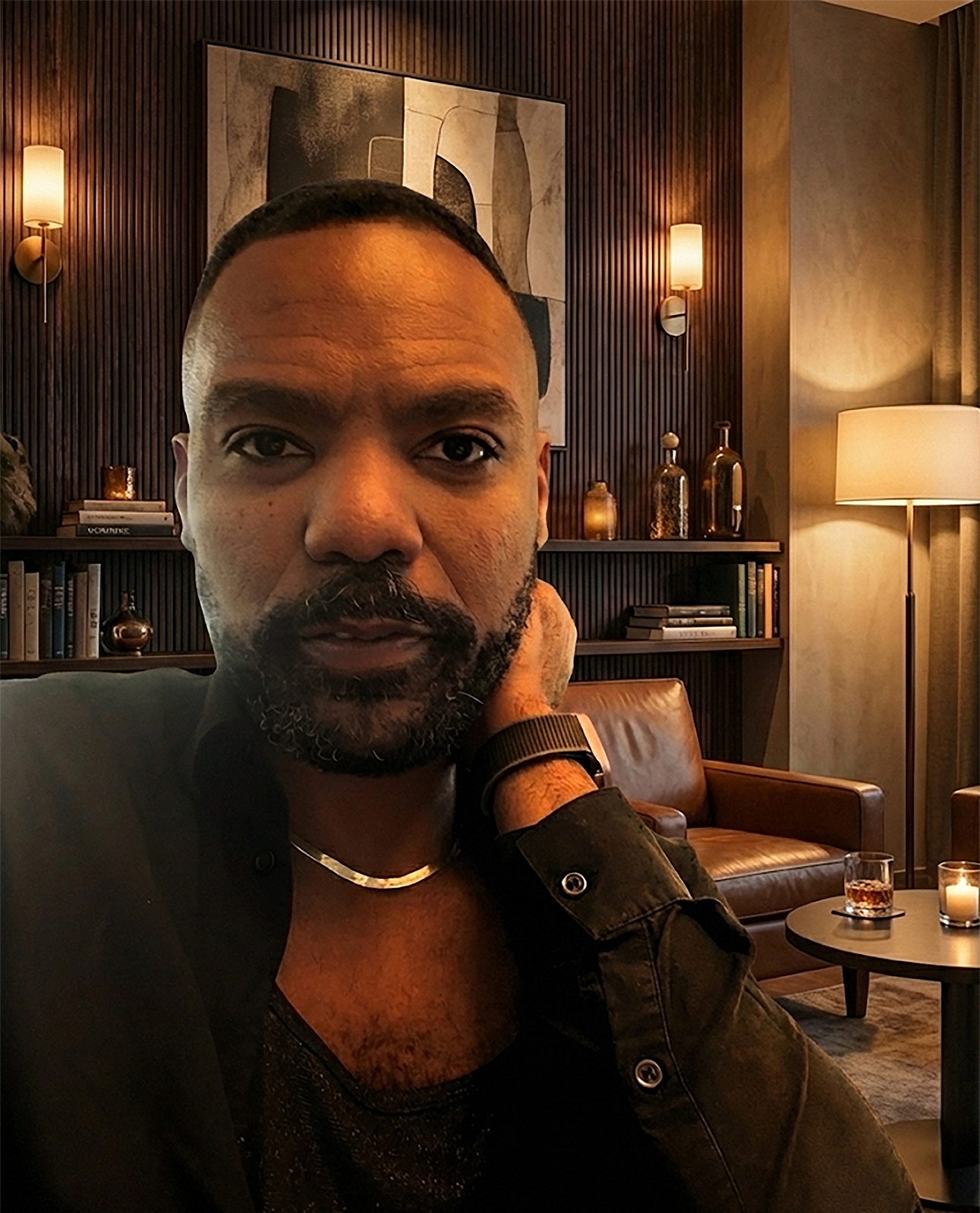

“Winter is coming” is more than an iconic meme from “Game of Thrones.” Colder, harsher weather is the reality for my friends and me in New York City. As seasons change, so can moods, feelings and mental health. Seasonal depression or seasonal affective disorder (SAD) is brought on with changing seasons, usually starting in the fall and oftentimes lasting through the winter, according to the Cleveland Clinic. While Mental Health America reports people aged 20 through 30 experience onset of seasonal depression, an estimated 5% of adults get SAD each year in the U.S. Up to 20% may face mild winter blues.
When I look good, I feel good. Surrounding myself with positive energy, healthy friendships, getting dressed up, and stepping out help lift my spirits. I spoke with close friends about their experiences with mental health and self-care. We discussed friendship, staying active and fall-to-winter fashion. Before delving into those perspectives, here’s my journey.
I love the transition from late summer to early fall, when the weather drops to the 70s. Early fall holds a special place in my heart for its vibrant foliage and crisp weather. This past summer, after turning 36, I made some lifestyle changes that centered on taking a break from drinking, improving my digestive health, working out, taking long walks in Prospect Park, and focusing on career-building projects. As the temperature declined, so did my mood. I found myself fighting against sadness, lacking energy and feeling overwhelmed.
On Oct. 14, I was at Victorian Cafe in Ditmas Park when I noted on Instagram something like, “I’m trying to stay positive, productive and fight off seasonal depression.” My community reminded me to keep pushing, continue self-care and surround myself with my Good Judys, a term used by LGBTQ+ people that reflects our closest friends or chosen family, inspired by gay icon Judy Garland.
Dialogue about mental health, self-care and get-togethers with friends matter.
Justin Blakey, Henry Flournory, Aaron Henry, Saidue Karmo, Micah Peterson and I gathered for “The Gay Harlem Renaissance” exhibit and NYC Unity Project partnered event at The New York Historical Society on Friday, October 24. The exhibit, open until March 2026, explores the lives and works of Black queer trailblazers, including Gladys Bentley, Langston Hughes, Nella Larsen, and Richard Bruce Nugent, among others. It highlighted the contributions of Black queerness to nightlife, the creative arts, and the community in 1920s Harlem marking the centennial of Alan Locke’s anthology, “The New Negro.”
“Everyone starts with the Stonewall riots and forgets about the Gay Harlem Renaissance of the early 20s,” Henry said. “I felt inspired and proud to see, hear and learn about Black queer history. They walked so we could run.”
Blakey agrees, saying we have always existed. “It was great to see a dedicated space to tell that story and knowing there is nothing new under the sun.”

Justin Blakey
Blakey, 45, is from Cincinnati, and he reveres fall.
“I love sweaters and coats,” he said. “So I’m in my happy place.” Ironically, Blakey gets SAD in the summer.
“I am not a fan of the heat,” Blakey added, saying he sweats and it makes him uncomfortable.
“Everyone else is having a good time, and I am completely over it.”
Moving to New York City means he doesn’t encounter racism as frequently. It’s been good for his mental health. Blakey is lucky to have known people when moving to the city years ago. “It is nice to know that I have someone here that I can reach out to and be myself around, and it is sad others don’t have that.”
Henry Flournory
Flournory, 36, is an aspiring actor and singer who’s from Syracuse and lives in Harlem.
While he describes his look as “timeless, classic, understated femininity/androgyny with an urban twist,” cold weather makes it difficult to express himself.
“I find my philosophy tends to be more ‘good enough will do’ in the winter,” he said.
Flournory doesn’t take seasonal depression lightly. “I have experienced bouts of deep sadness and loneliness.” “I’ve also experienced a lack of motivation or an executive dysfunction that puts me into that vicious cycle of couch-rotting including watching TV, scrolling and ordering in, and feeling like shit about it, but not being able to get myself up,” he added.
He feels better when he accomplishes tasks like cleaning, exercising, cooking and eating healthy. “It helps to walk with the knowledge that feelings don’t last,” Flournory said. “They can transform in an instant, and if you really know yourself, you can be the catalyst of that shift by giving yourself what you need.”
While the city can be overwhelming, he said, “It’s important to come back into your body when you’re giving and receiving that level of energy every time you go outside.”
Even though he meditates and spends time alone, “feeling truly connected to and appreciated by others keeps me afloat,” he added. Still, invites matter. As an only child, Flournory is sensitive and struggles with exclusion. “I’ve kind of spent my whole life wanting to be a part of something.”
He prefers to follow the lead of others, but always keeps in touch. “You can do more harm than good going into savior mode; it’s best to ask people what you can do to help.”
Aaron Henry
Henry, 44, was born and raised in New York. He always had a passion for music and dance, playing two principal instruments; the drums and the violin. Henry is the multi-title-holding, dancing drag queen Jadé, whose performances do poetic justice to Janet Jackson’s style.
Henry referred to his style as “unique.”
“I like to wear things you wouldn’t normally see. I like styles with different cuts and colors. Very couture, dahling.”
As Jadé, he wears colors that complement dark skin: bright pinks, oranges, and yellows. “I enjoy a beaded frock and a good pump to stomp in. Preferably a red bottom pump if they’re in my petite size 13,” Henry said. “I love costumes that are flowy and make me feel free when I’m performing.” Going out to dance is good for his mental health.
Henry loves to be around his community, show his love and support. “It could go a long way for someone who may not be in a good place.” Continuing, Henry states, “It's always a great bonus to have wonderful people in your corner. I’m blessed to have a great group of friends, and I’m honored to have you in that circle.”
Likewise, sis.
Saidue Karmo
Karmo, 46, is an opera singer and an office manager for a real estate company. His mood determines if he will “dress down” or “dress up.”
His style and his mental health are separated.“I enjoy aspects of fashion depending on the season but I just look at it as clothes. Even though I do enjoy a suit at times.” While Karmo doesn’t have seasonal depression, he experiences low moods. “I enjoy cooking and cleaning,” he said. “Riding my bicycle helps me think about how I can handle or have handled situations. There are times it’s good to let your emotions flow by turning off the world.”
Though his circle understands him. “It’s essential to keep honest and flawed people around you. I try to surround myself with like-minded but opinionated people.” He’s known to lend his ear. “There doesn't have to be any necessary suggestions on how to make things better, but I think sometimes just listening is good.”
Micah Peterson
Peterson, 40, works in education policy and legislation, but he’s also a writer and aspiring DJ—his work and casual attire overlap.
“We have a saying in our family: ‘when you feel your worst, look your best,’” Peterson proclaimed.
“...if we outwardly behave like we feel good, it will train our brain to do the same.”
When he first experienced winter in the city, his primary goal was to dress warmly. Now he’s also fashionable.
Peterson doesn’t claim to experience seasonal depression, but he doesn’t enjoy the cold, shorter days. “My default is always sunny and warm,” Peterson said. “I plan getaways to warmer climates during the winter months to balance the seasons.”
Peterson said it’s essential to see yourself reflected in your friendships and to check in with one another. “When we keep to [ourselves], that’s when the city eats us alive,” he said.
“With systemic oppression and cultural differences, it’s nice to be able to look at peers who look like me and can affirm my existence, or tell me I’m a little crazy,” he added. He winds down in the winter, but prioritizes community. “Showing up means encouraging our friends to ask their bodies what they want,” he said. “It means encouraging our friends to seek out professional medical help if they need it too.”
It’s not just my friends who believe in community. According to McGovern Medical School, approximately four in 10 Americans experience declining winter moods, making the need for support relatable. Studies show that’s what friends are for. Community intervention and social support can reportedly help reduce depression symptoms.
Winter is coming, and any of us may need somebody to lean on.


Comments